 TESTED 21 Jul
NSE5_FMG-7.0 Online Practice Questions and Answers
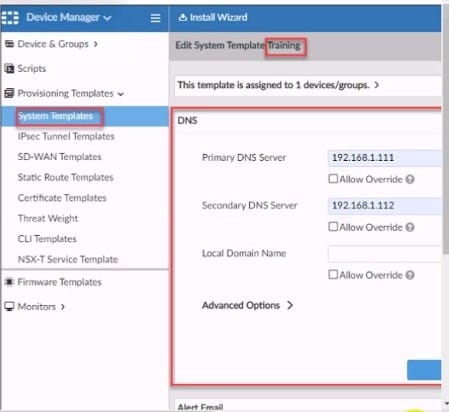
Refer to the exhibit.

Which two statements about the output are true? (Choose two.)
A. The latest revision history for the managed FortiGate does match with the FortiGate running configuration
B. Configuration changes have been installed to FortiGate and represents FortiGate configuration has been changed
C. The latest history for the managed FortiGate does not match with the device-level database
D. Configuration changes directly made on the FortiGate have been automatically updated to device-level database
What will happen if FortiAnalyzer features are enabled on FortiManager?
A. FortiManager will reboot
B. FortiManager will send the logging configuration to the managed devices so the managed devices will start sending logs to FortiManager
C. FortiManager will enable ADOMs automatically to collect logs from non-FortiGate devices
D. FortiManager can be used only as a logging device.
Refer to the exhibit.
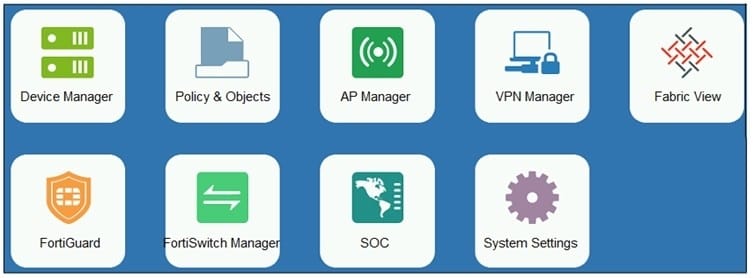
An administrator logs into the FortiManager GUI and sees the panes shown in the exhibit.
Which two reasons can explain why the FortiAnalyzer feature panes do not appear? (Choose two.)
A. The administrator logged in using the unsecure protocol HTTP, so the view is restricted.
B. The administrator profile does not have full access privileges like the Super_User profile.
C. The administrator IP address is not a part of the trusted hosts configured on FortiManager interfaces.
D. FortiAnalyzer features are not enabled on FortiManager.
What does a policy package status of Conflict indicate?
A. The policy package reports inconsistencies and conflicts during a Policy Consistency Check.
B. The policy package does not have a FortiGate as the installation target.
C. The policy package configuration has been changed on both FortiManager and the managed device independently.
D. The policy configuration has never been imported after a device was registered on FortiManager.
An administrator is replacing a device on FortiManager by running the following command:
execute device replace sn
What device name and serial number must the administrator use?
A. Device name and serial number of the original device.
B. Device name and serial number of the replacement device.
C. Device name of the replacement device and serial number of the original device.
D. Device name of the original device and serial number of the replacement device.
In addition to the default ADOMs, an administrator has created a new ADOM named Training for FortiGate devices. The administrator authorized the FortiGate device on FortiManager using the Fortinet Security Fabric. Given the administrator's actions, which statement correctly describes the expected result?
A. The FortiManager administrator must add the authorized device to the Training ADOM using the Add Device wizard only.
B. The authorized FortiGate will be automatically added to the Training ADOM.
C. The authorized FortiGate will appear in the root ADOM.
D. The authorized FortiGate can be added to the Training ADOM using FortiGate Fabric Connectors.
Refer to the exhibit.
According to the error message why is FortiManager failing to add the FortiAnalyzer device?
A. The administrator must turn off the Use Legacy Device login and add the FortiAnaJyzer device to the same network as Forti-Manager
B. The administrator must select the Forti-Manager administrative access checkbox on the FortiAnalyzer management interface
C. The administrator must use the Add Model Device section and discover the FortiAnaJyzer device
D. The administrator must use the correct user name and password of the FortiAnalyzer device
View the following exhibit.
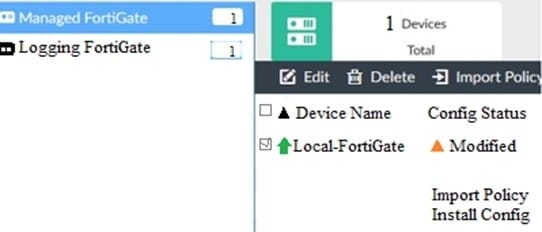
When using Install Config option to install configuration changes to managed FortiGate, which of the following statements are true? (Choose two.)
A. Once initiated, the install process cannot be canceled and changes will be installed on the managed device
B. Will not create new revision in the revision history
C. Installs device-level changes to FortiGate without launching the Install Wizard
D. Provides the option to preview configuration changes prior to installing them
An administrator would like to create an SD-WAN using central management.
What steps does the administrator need to perform to create an SD-WAN using central management?
A. First create an SD-WAN firewall policy, add member interfaces to the SD-WAN template and create a static route
B. You must specify a gateway address when you create a default static route
C. Remove all the interface references such as routes or policies
D. Enable SD-WAN central management in the ADOM, add member interfaces, create a static route and SDWAN firewall policies.
View the following exhibit.
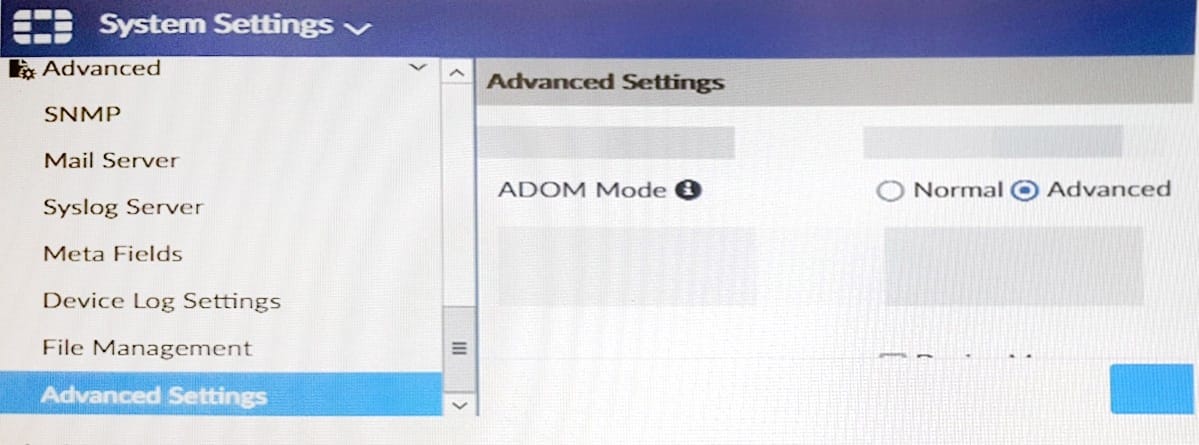
Which of the following statements are true based on this configuration setting? (Choose two.)
A. This setting will enable the ADOMs feature on FortiManager.
B. This setting is applied globally to all ADOMs.
C. This setting will allow assigning different VDOMs from the same FortiGate to different ADOMs.
D. This setting will allow automatic updates to the policy package configuration for a managed device.

Home | Contact Us | About Us | FAQ | Guarantee & Policy | Privacy & Policy | Terms & Conditions | How to buy
Copyright © 2026 pass4itsure.com. All Rights Reserved