 TESTED 13 Jul
ACLS Online Practice Questions and Answers
Drugs useful in the treatment of cardiogenic pulmonary edema include (Choose three.)
A. furosemide
B. verapamil
C. morphine
D. propanolol
E. oxygen
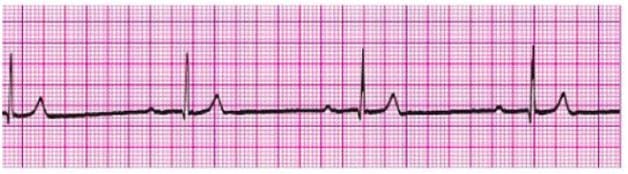
You arrive on-scene to find CPR in progress. Nursing staff report that the patient was recovering from a pulmonary embolism and suddenly collapsed. There is no pulse or spontaneous respirations. High-quality CPR is in progress, and effective ventilation is being provided with bag-mask. An IV has been initiated. You would now
A. Initiate transcutaneous pacing
B. Give epinephrine 1.0 mg IV
C. Order immediate endotracheal intubation
D. Give atropine 0.5 mg IV
E. Give atropine 1 mg IV
A patient is in refractory ventricular fibrillation and has received multiple appropriate defibrillations. Epinephrine 1 mg IV twice and an initial dose of lidocaine IV. The patient is incubated. A second dose of lidocaine is now called for. The recommended second dose of lidocaine is
A. 0.5 to 0.75 mg/kg IV push
B. 2 to 3 mg/kg IV push
C. Start infusion 1 to 2 mg/min
D. Give endotracheal dose 2 to 4 mg/kg
E. 1 mg/kg IV push
A patient with a possible ST-segment elevation Ml has ongoing chest discomfort. Which of the following would be a contraindication to the administration of nitrates?
A. Use of phosphodiesterase inhibitor within 12 hours
B. Left ventricular infarct with bilateral rates
C. Blood pressure greater than 180 mmHg
D. Heart rate 90 per minute
SIMULATION
Describe the function of plasma as it relates to the circulatory system.
A. Plasma is the fluid that carries the blood cells and nutrients.
SIMULATION
When must you obtain expressed consent from a patient?
A. Before rendering treatment to every conscious, mentally competent adult.
SIMULATION
You are treating a patient who is tachypneic, with shallow, inadequate respirations. What might you expect to discover when examining his skin?
A. The skin may be pale or cyanotic, Cool and clammy.
SIMULATION
Upon arrival at a motor vehicle crash, you find a woman in her twenties, supine on the street. How do you initially assess circulation?
A. Palpate the carotid artery.
FILL BLANK
If while ventilating a patient the chest does not rise and fall, what is the first thing you should do?
A. Reposition the head

Home | Contact Us | About Us | FAQ | Guarantee & Policy | Privacy & Policy | Terms & Conditions | How to buy
Copyright © 2026 pass4itsure.com. All Rights Reserved